What Does It Mean to Be a Dad in the Modern World?
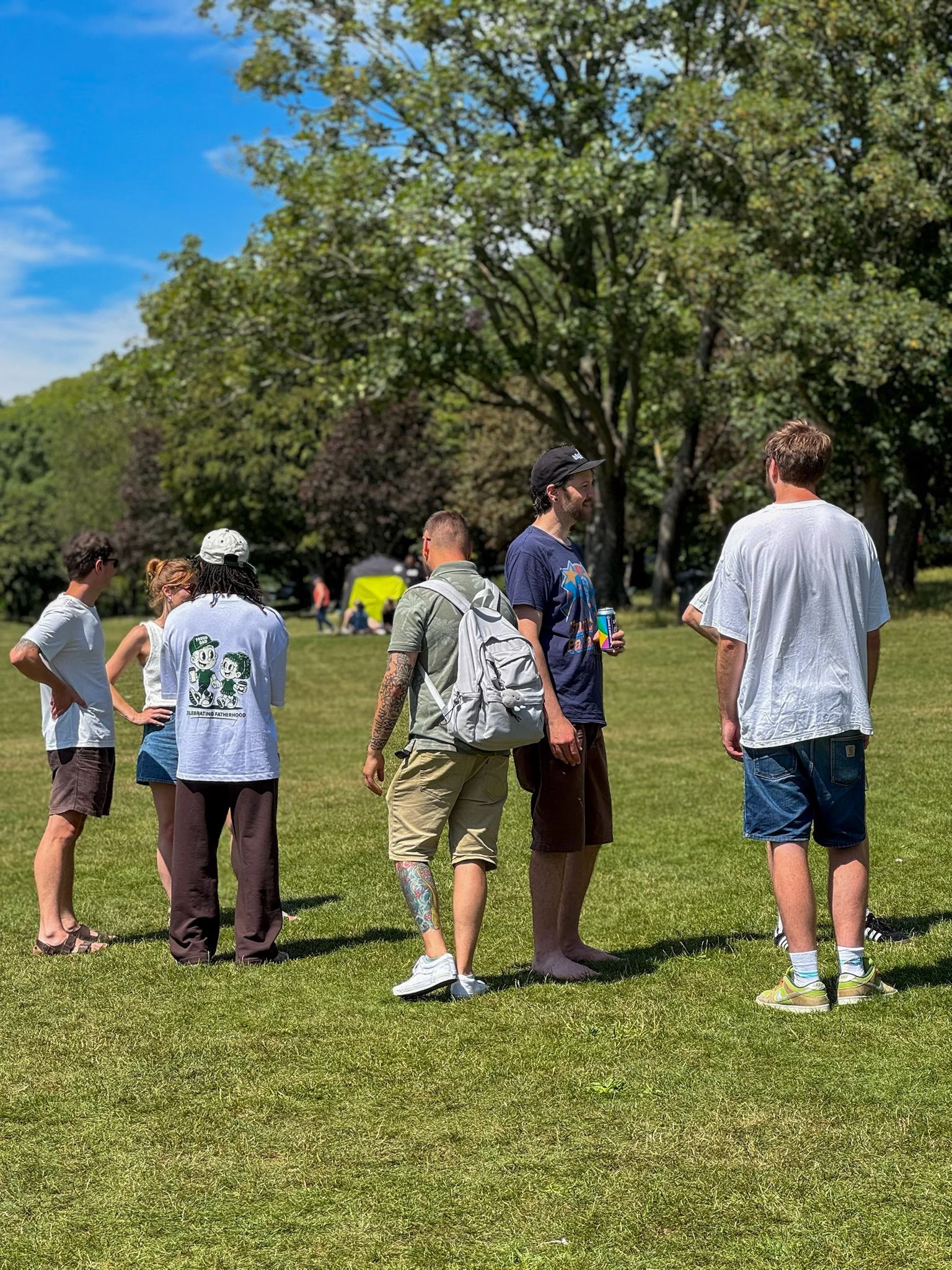
Fatherhood looks different to what it looked like 50 years ago. But how? And why?
Modern dads are actively redefining what fatherhood means. To understand where it's going, it helps to understand where it came from.
The World That Built the Old Model
As more people began earning wages in factories and, later, offices, family roles became increasingly divided. Over time, a powerful social template emerged: men were expected to provide financially, while women were expected to take greater responsibility for the home and raising children.
For fathers, providing became more than something they did. It became deeply tied to what being a good father meant.
Work hard. Earn enough. Keep your family safe. Be the authority. Be strong.
And with that came a version of fatherhood that could often look more distant than the one many of us aspire to today.
Not because those men didn’t love their kids. But because society had already given them a picture of what a good father looked like, and many lived up to it.
That’s worth saying plainly: the dads of that era weren’t necessarily failing at fatherhood. They were succeeding at the version of it they’d been handed.
The World Changed. The Model Didn’t Have To Stay.
That world doesn’t exist in the same way anymore. Dual-income households are now the norm, not the exception. Women can be, and often are, the primary earner. Increasingly, who works and who’s home isn’t assigned by gender at all; it’s a choice couples make together, based on what actually fits their family.
And the data shows fathers responding to that shift in real time. Analysis of long-term time-use data shows millennial dads spending roughly double the time on childcare that Boomer fathers did at the same age, and nearly four times what fathers typically spent back in 1965. In real terms: the average married father in 1965 spent around half an hour a day actively engaged with his kids. Today’s millennial dads average over 80 minutes daily on hands-on parenting; reading, playing, the school run, homework, the early years of caretaking that used to fall almost entirely to mothers.
That’s not a small shift. It’s one of the most significant changes in daily family life in the last fifty years.
None of this means today’s dads have stopped providing or protecting. They haven’t. It means those roles have expanded rather than been replaced. Providing has evolved to more than just the financial. Protecting now includes emotional security to aid psychological developments.
Today’s dad isn’t rejecting what came before him. He’s choosing to add to it, more present, more emotionally connected, more intentional about the kind of father he actually wants to be, not just the one he’s expected to be.
Why This Matters Beyond One Household
The research on involved fatherhood is consistent: children benefit developmentally, emotionally, and socially when fathers are actively present, not just providing from a distance. Mothers benefit from a genuinely shared load rather than a default one. Families function differently, often better when parenting isn’t assigned by outdated roles but chosen deliberately by the people living it. The effects ripple outward, from individual households to the culture around them.
But Society Is Still Catching Up
Here’s the gap: dads are stepping up faster than the world around them is adjusting to it. Workplace policies, parental leave, and everyday cultural assumptions still often treat fathers as secondary parents; helpful, perhaps, but not essential in the way mothers are automatically assumed to be. Many dads trying to live out this more present, involved version of fatherhood are doing it without the recognition, support, or infrastructure that would make it easier.
That gap, between what modern dads are actually doing and what society still expects or supports is exactly the space One Dad to Another exists in. We believe in the impact a present father has, not just on his own kids, but on his family and the wider world around him. So we’re here to encourage it, champion it, and celebrate it, because dads are already trying to do this right. What’s missing isn’t effort. It’s the support and recognition to match it.
That’s what modern fatherhood looks like. And it’s about time the world caught up.
