Becoming Dad: Why Fatherhood Isn't a Loss. It's a Transformation
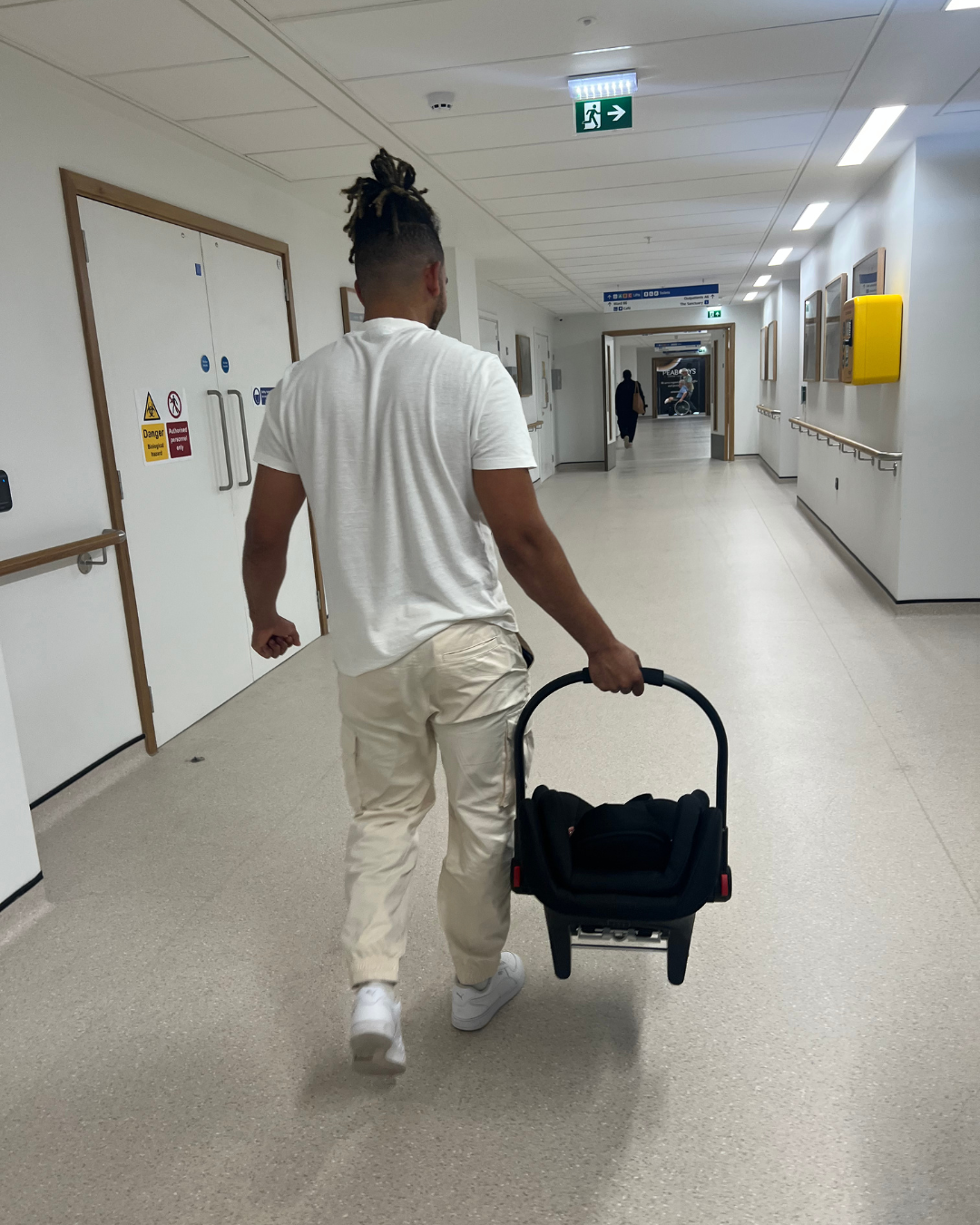
You've heard the jokes before you even become a dad. Kiss your freedom goodbye. Say goodbye to sleep, goodbye to your hobbies, goodbye to you. Fatherhood, in most of the culture around you, gets framed as something you survive, a long list of things you're about to lose.
Here's a pattern worth naming: the idea that fatherhood is fundamentally a subtraction. That who you are as a man exists somewhere separate from fatherhood, and fatherhood slowly eats into it. Under this mindset, fatherhood isn't the main event, it's the thing competing with your real life.
Here's the problem: it isn't true. And believing it costs men something real.
Where This Mindset Comes From
It's not hard to see why this framing took hold. For generations, fatherhood was defined almost entirely by duty, to provide, to protect, show up to work, keep the family safe. Personal identity got quietly subordinated to that role. A man's inner life, his sense of self, wasn't really part of the fatherhood conversation at all. So when culture talks about becoming a dad, it defaults to what's being given up, time, freedom, spontaneity, because for a long time, that was genuinely most of what fatherhood was allowed to be about.
Add to that a parenting content industry built almost entirely around mothers, where father-focused material is often either tactical (how to change a nappy) or comedic (the bumbling, overwhelmed dad trope), and you get a culture with no real language for fatherhood as anything other than something to get through.
What the Data Actually Says
Here's what this mindset leaves out: fatherhood is one of the most consistently positive transformations a man can go through, and the research backs this up clearly.
A 2012 study published in Psychological Science found that parents (fathers in particular) report higher happiness, more positive emotion, and greater meaning in life than people without children. A separate study found that fathers living with their children had significantly higher life satisfaction and were less likely to experience depression than men who were childless or lived apart from their kids. Long-running survey data from the General Social Survey, tracked by the Institute for Family Studies, consistently shows married fathers reporting higher happiness than men without children.
This isn't a fringe finding. It shows up again and again: fatherhood tends to anchor men to deeper meaning, not pull them away from who they are.
Thriving, Not Surviving
Most dads, if you ask them honestly, will tell you becoming a father was the most transformational thing that's ever happened to them, not despite the change, but because of it. Not a loss of identity. A powerful shift within it.
That's the reframe: fatherhood isn't a black hole that swallows who you were. It's a transformation. But little is done to help you navigate this transformation positively.
The Real Work
This is where that old and limited mindset gets it most wrong. It treats fatherhood as a set of logistics to survive, feeding schedules, sleep training, nappies. That stuff matters, but it's not the real work. You can master every piece of parenting logistics and still be avoiding the actual transformation entirely.
The real work is internal. It's not what do I need to do, it's who am I becoming. What parts of the man you were are worth keeping, on purpose, rather than losing by accident? What did you inherit about masculinity, about fatherhood, about what a "good man" is supposed to look like, that's worth questioning rather than automatically repeating? What kind of man do you actually want fatherhood to reveal in you?
That's not a task list. It's genuine self-examination and it's the part almost no fatherhood content actually addresses.
A Few Questions Worth Sitting With
What are my true beliefs about fatherhood?
What are my biggest worries and fears about fatherhood?
What kind of father do I want to be?
How do I want my kids to think about me as a father?
What do I need to know to become the father I want to be?
The Point of All This
Fatherhood was never supposed to be something you get through. It's not competing with who you are, for most men, it's where they find out who they actually are. The work isn't logistics. It's becoming, intentionally and purposefully.
That's what this is about. Not surviving fatherhood. Thriving in it.
Sources referenced: Nelson, S.K. et al. (2012), "In Defense of Parenthood," Psychological Science; longitudinal research on father life satisfaction and co-residence (2001); General Social Survey data via the Institute for Family Studies.
